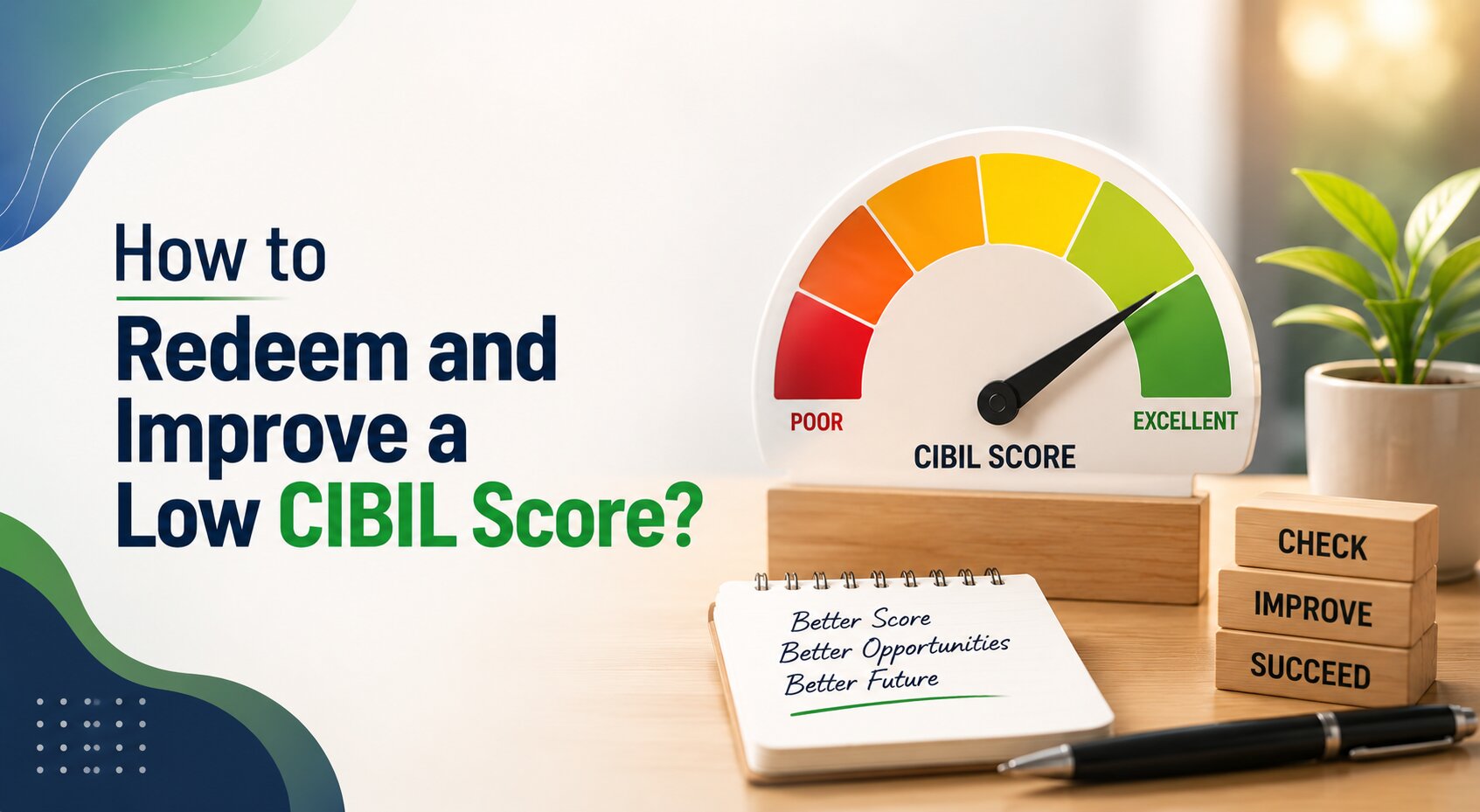
A high CIBIL score has become a mark of your credibility and creditworthiness. Banks check whether your CIBIL score is above 750 points to process an unsecured personal loan or credit card. A low CIBIL score can be one of the personal loan rejection reasons. Management positions are offered to individuals with high credit scores who demonstrate reliability and stability. You may not be offered a rental property with a Low CIBIL score, and, on a lighter note, a marriage proposal may not materialise. Therefore, if your credit score is stagnant or has fallen below the acceptable threshold, take steps to fix it and improve your credit score quickly.
What Makes a CIBIL Score Drop?
A credit score below 650 points is regarded as a low CIBIL score. To improve a low CIBIL score, let us first check the reasons for it. Your CIBIL score can dip due to any of the following reasons:
Derogatory Credit Usage
- Delays in repaying credit: A bounced EMI or a delay in repayment of credit cards are a sign of stressed finances. A single delay can be overlooked, but regular delays in repaying EMIs or credit dues can lower your CIBIL score.
- Default Accounts: Loans that you have been unable to repay will be marked as delinquent. Loans and credit cards for which the principal amount is paid without interest are shown as “Settled”. A loan or credit card marked as Delinquent or a Settled CIBIL account in the credit history is a major setback to your CIBIL score.
- Too Many Enquiries: Hard enquiries are recorded by CIBIL whenever a lender requests a Credit report. Hard Enquiries remain in the CIBIL history for 24 months. More than 3 to 4 consecutive hard enquiries will lower your CIBIL score by 10 to 15 points for each enquiry. With too many enquiries, a borderline CIBIL score is reduced due to excessive enquiries in CIBIL. Check eligibility using an eligibility calculator before applying for a personal loan.
Read more: Reasons for a Low CIBIL score.
A Stagnant CIBIL Score
Ever wondered why, even if you’re doing everything right, your personal loan application is still rejected due to a low CIBIL score? The fault may lie in the following reasons that keep your CIBIL score stagnant.
- Restricted Credit Usage: Boosting a CIBIL score requires active use and timely repayments. If you have credit cards you do not use or have forgotten about, they may have a small pending balance. Pending credit and non-use can negatively affect your CIBIL score, keeping it low.
- Maxing Out Your Credit Card:Using your credit cards up to 40% of the credit limit is a good ratio. If you are using the limits on your credit cards and sometimes drawing cash, even if you make payments on time, it will hurt your credit score, indicating overreliance on credit.
- Use of New Credit: Taking a commodity loan or buying a new television or home appliances can help improve a CIBIL score, as new credit activity is important for assessing customers’ credit behaviour. How diligently are the repayments being made? Without fresh credit usage, your CIBIL score may remain dormant.
- Co-applicant Defaults: A co-applicant is added to a loan, either as a source of financial support or as a guarantor. If the primary loan holder defaults on repayment, it will affect the co-applicant’s CIBIL. Your role as a co-applicant also means you are responsible for repayment of the credit taken, which can contribute to a low CIBIL score.
Low CIBIL Score Due to Insufficient Tenure
Your CIBIL score will show as 0 or -1 if you have just started using credit and do not have enough history to build a score.
- Length of Usage: It takes 6 months to a year to establish a CIBIL score. CIBIL records all submitted applications, approved loans and credit cards. The usage and repayments updated in CIBIL during this period help to generate a numeric score.
- Credit Mix: To obtain a CIBIL score, apply for a credit card with a security deposit or for one linked to a salary account with the Bank. Using unsecured credit, such as a credit card, and secured credit, such as a commodity or an Auto loan, can help improve a credit score.
- Regular Usage: Active credit use is key to improving a low CIBIL score. Particularly if you have recently started your credit account. Positive credit transactions reported regularly by lenders to CIBIL will help to improve a low CIBIL score quickly.
What are the Steps to improve a CIBIL Score?
To improve your CIBIL score quickly, you must first check the details of your credit report. Apply for a copy of your CIBIL report by visiting www.CIBIL.com. Regularly reviewing your credit report helps you stay aware of your credit activity, identify errors early, and take action to resolve a CIBIL dispute, preventing score stagnation or decline.
-
Review your CIBIL report carefully:
CIBIL records customer data based on the following:
- Name
- Mobile Number
- Date of Birth.
- Residence Address.
- PAN Number.
A small error in the spelling of your name or a typo in the PAN card number can lead to the rejection of credit applications, and repeated attempts to secure credit can affect your credit score.
-
Check Credit Report History:
Your credit report or history is summarised as follows:
- Active accounts.
- Loans and credit cards
- Overdue payments.
- Credit card utilisation
- Age of accounts.
To improve your credit score quickly, a thorough review of your accounts for errors or incorrect entries is essential; if you find unpaid payments or pending accounts, raise a dispute with your lender and seek a resolution. Clearing these dues and obtaining a closure certificate can significantly boost your score.
-
Close Pending Accounts:
Pending credit accounts have unpaid dues, and closure is incomplete.
- A small charge pending in your loan account can become an irritant by accruing interest and keeping your CIBIL score stagnant.
- If there is a pending account in your CIBIL history, take steps to deal with it to improve your CIBIL score.
- Repay the pending balance and obtain a closure certificate.
- Closing a pending account will help to improve a CIBIL score quickly.
-
Settled Accounts
A settled account reflects that the principal loan amount has been repaid, but the interest factor is discounted.
- A settled account is a negative marker on the CIBIL history.
- With the interest waived off presently as a loss by the Bank, but still due.
- If you have the funds available, pay the interest amount due to change the status to Closed.
- A settled account that is repaid and closed will give a definite boost to your credit score.
-
Reduce Credit Utilisation:
Excess credit usage above the allowed FOIR makes you overleveraged.
- Making a concerted effort to manage credit usage by keeping your utilisation ratio at or below 50% of your income.
- Keep credit card spending below 40% of the allowed limit.
- Avoid the use of Apps (Application loans).
- Do not make multiple credit enquiries within a limited period, which can further lower your Credit score.
- Apply for a Balance transfer to reduce your debt.
-
Repay Debts on Time:
Paying your Credit card bills on the due date and ensuring your EMI is cleared are responsible credit practices that are invaluable for building a CIBIL score. Each timely payment will help to improve the CIBIL score fast.
- Pay credit card bills in full on the payment date and do not rotate credit.
- Make sure the bank account has funds in advance to clear the EMI.
- If a change is required to the ECS account, take steps in advance to update the mandate.
A 12-month on-time repayment record is an ideal way to improve your credit score quickly.
-
Get a fresh Credit:
If you are new to credit or have not recently opened a new credit account, successfully adding one is a good step toward improving your CIBIL score.
- If you get an offer for an increase in Your Credit Card limit, take it to rejuvenate your account.
- Convert purchases of consumer durables on your credit card into EMI.
- Get a personal loan against a fixed deposit for a short tenure if your CIBIL score is below 650 points.
- Make a fresh start to improve your score by making your EMI payments on time.
How Long Does it Take to Improve Your CIBIL Score?
As per the Reserve Bank of India guidelines, lenders must update credit transactions with CIBIL every 15 days. CIBIL will record these transactions and reflect any changes, positive or negative, based on the customer’s credit behaviour. Every small action will contribute to your CIBIL score, and every effort to consolidate credit will be reflected in your score’s variation. Check the illustration below for the steps taken, the impact on your credit score, and the time taken to make a difference to improve CIBIL score fast.
| Credit Repair Action |
Approximate score Improvement |
Time Frame |
| Rectify a CIBIL Error |
30 to 50 points |
30 to 45 days |
| Settled accounts repaid |
40 to 60 points |
45 to 90 days |
| Pending account closed |
20 to 40 points |
30 to 45 days |
| Credit Utilisation reduced |
20 to 40 points |
3 billing cycles |
| No Credit Enquiries for 6 months |
10 to 20 points |
6 months |
| Timely repayment of EMI for 12 months |
80 to 100 points |
12 months. |
What Actions to Avoid to Prevent Your CIBIL Score from Dropping?
- Do not delay payment of even a single EMI, as the default will always appear on your credit history.
- Activate an auto-debit facility for your credit card payments, as CIBIL has noted delays.
- Do not forward documents online without confirmation, as this can lead to multiple CIBIL enquiries.
- Avoid applying for App loans; Banks will not issue further credit if you have excess App loans.
- Do not ignore small pending amounts, as they can lead to debt accumulation and a low CIBIL score.
- Keep vintage credit cards active, as the credit length will stabilise your CIBIL score.
Conclusion
A low or stagnant CIBIL score can be improved. If you have been short on funds and have been unable to meet your obligations promptly, the situation can change. Conduct a review of your Credit history, make good on any pending payments, and manage any further credit you take responsibly.
At YourLoanAdvisors.com, our advisors are experienced in analysing CIBIL reports, what’s holding your score back, and helping you to get your CIBIL score back on track. If you have a low CIBIL score or are not improving, get in touch with us to help you achieve a landmark score of 750+. We will help you to improve your CIBIL score fast.
Need help to overcome a rejection? Contact us now or call us at 9811165183 .


 91-9711165183
 June 3, 2026