 91-9711165183
 February 21, 2026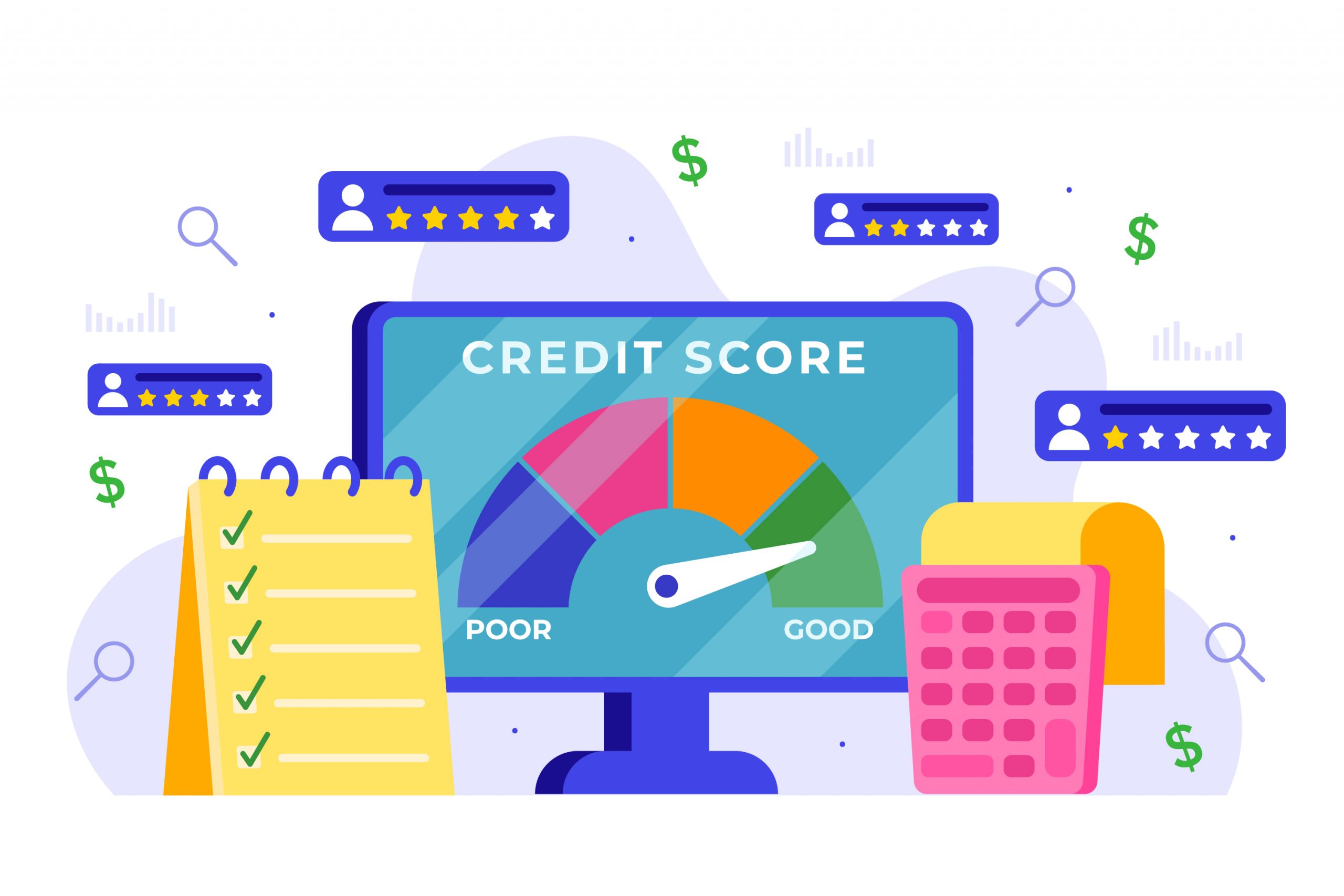
Personal loans for salaried individuals have become a prime focus for banks. Unsecured credit, such as credit cards and personal loans, is available to customers based on their regular income and profile. To keep the default ratio low, Banks refer to CIBIL to assess customers’ credit management abilities before issuing credit.
CIBIL records credit usage details, including a history of loans and credit cards used, along with repayment status. Your CIBIL score is a major factor in determining your eligibility for a personal loan, and a healthy CIBIL score of 720 points or above is the key to getting an instant personal loan.
Keeping your CIBIL above the required benchmark is essential, so be wary of the following scenarios. Let us look at the situations that can lead to a CIBIL downgrade.
Millennials, with a fresh start in employment and a sudden surge in income, begin living an aspirational lifestyle. Individuals employed by reputable companies and earning high incomes are offered credit cards with generous credit limits.
Overuse of credit cards can easily occur if expenses are not controlled. Without realising that all credit comes at a cost, individuals soon find that expenses have overtaken their income.
Cardholders soon find that their debt has increased manyfold if they are unable to clear the bill by the due date. As they try to solve the financial crisis, they look for ways to alleviate credit card debt as:
The request for a personal loan is denied due to unpaid dues on multiple credit cards, as reflected in the CIBIL report, because the credit card debt-to-income ratio is high.
App loans seem like an easy way to secure credit for immediate funding needs and have become popular due to their accessibility and quick processing. Customers find it convenient to get small amounts to cover immediate expenses through a mobile phone interface. Check the illustration below
Hema needed ₹ 50k to pay her credit card bill. Her expenses had been high for a month due to a family wedding. An offer on her phone for instant funds through an app seemed like the answer. She clicked the apply button, accepted the terms, and soon the funds were in her account. This seemed like an easy way out, and she needed an additional ₹50k to be comfortable, which was processed through the app again.
The App loan, however, was not an ideal solution; not being aware of the terms and conditions can be contrary to your financial well-being due to the following:
App loans are frowned upon by Banks due to predatory lending and high costs. Shorter tenors and higher interest rates, with hidden charges, can increase debt. Therefore, personal loan requests from customers with existing App loans are viewed negatively.
To achieve further transparency and a more comprehensive check, CIBIL also records the number of credit applications submitted for various credit types, including loans, credit cards, and consumer loans. Credit enquiries conducted over the years will always appear in the CIBIL history. If the application for the personal loan or credit card is approved, the status is reflected as a running loan.
Lenders view CIBIL enquiries as the number of attempts an applicant has made to secure credit and the number of times they have been granted credit. Applicants seeking a loan should check their eligibility for a personal loan, a secured loan, or a credit card, and, if eligible, before applying, provided their employer is on the Bank’s approved company category list.
Excessive enquiries have a negative impact on the CIBIL score and history due to the following:
Trying to get the best deal by forwarding applications to multiple lenders can have a contrary effect, as the lender will check your CIBIL record and may decline your application due to excessive CIBIL enquiries.
In conclusion, prior to the existence of CIBIL (Credit Bureau of India Ltd.), banks relied on their own customer experience to verify applicants’ credit status; now that credit records are available, a CIBIL check is mandatory. A satisfactory credit rating and repayment record will go a long way toward securing credit.