 91-9711165183


There’s a particular kind of late-night maths that single mothers know well. The fan is off to save electricity, the kids are finally asleep, and you’re sitting with a notebook trying to make one income stretch across school fees, a leaking tap, the EMI you already have, and the thing nobody warned you about — the small emergencies that always seem to arrive at the worst possible time.
If you’ve found your way to this page, you’re probably weighing whether a personal loan is the right move. Maybe you’ve already typed your details into one of those loan apps and pulled back at the last second. That instinct to pause is a good one. Borrowing money when you’re the only earner in the house is not a small decision, and you deserve a straight answer before you sign anything.

So let’s talk about it honestly — what’s actually available to you in India, what to watch out for, and which options I’d genuinely steer a friend toward.
Key takeaways
Yes. And I want to clear up a worry I hear a lot: no bank in India has a column on its form that asks whether you’re married, divorced, widowed, or separated, and then decides your loan based on that. Your application is judged on the same things as everyone else’s — your income, your repayment history, your CIBIL score, and how much you already owe.
In fact, several lenders now run loan products aimed specifically at women, sometimes with a small interest concession. SBI and Bank of Maharashtra, for example, shave a little off the rate for female applicants. It’s not a dramatic discount, but over a few years it adds up.
The real hurdles for many single mothers aren’t about being a mother. They’re practical: maybe your income became irregular after a separation, or your CIBIL took a hit because you leaned on credit cards during a hard stretch. Those are solvable problems, and we’ll get to them.
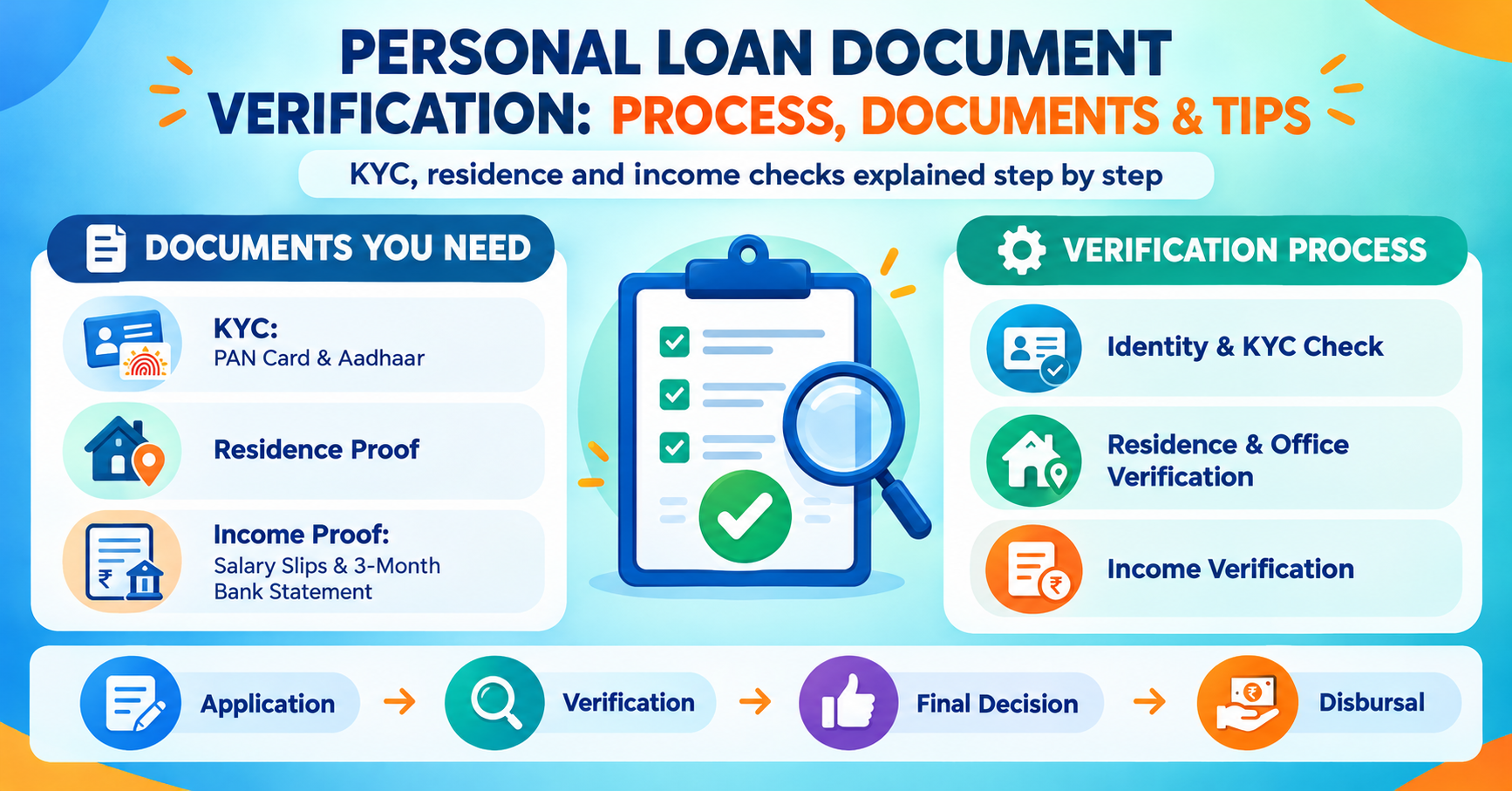
Most banks and NBFCs ask for roughly the same things. Here’s what to keep ready so you’re not scrambling halfway through an application:
If your income is irregular or undocumented — say you run a tiffin service, take tuitions, or freelance — don’t assume the door is closed. You can often qualify by adding a co-applicant or guarantor (a parent, sibling, or trusted relative with a stable income), or by showing alternative income like rent received or court-ordered maintenance landing regularly in your account.
A personal loan is unsecured and flexible — the bank doesn’t tell you how to spend it. The most common reasons I see single mothers consider one:
One honest line of guidance: a personal loan works beautifully for a one-time expense with a clear end — a fee, a repair, a procedure. It works badly as a way to plug a monthly gap that keeps reopening. If your everyday budget doesn’t balance, a loan doesn’t fix that; it just postpones the reckoning and adds interest. Be ruthlessly honest with yourself about which situation you’re in.
Not every loan is built the same, and the cheapest-sounding one isn’t always the right one for your situation.
Bank personal loans (SBI, HDFC, ICICI, Axis, Kotak). If you’re salaried with a decent CIBIL, start here. Rates in 2026 begin around 9.99%–10% per annum at the better banks. The process is slower than an app, but the terms are transparent and there’s a real human you can reach if something goes wrong.
NBFCs (Bajaj Finance, Tata Capital). Faster approval, slightly more relaxed eligibility, rates usually starting a touch higher — roughly 10%–13% and up. A reasonable middle ground if a bank says no but you still have a workable profile.
Gold loans (Muthoot, Manappuram, and most banks). This is the option I wish more single mothers knew to consider first. If you have gold jewellery sitting in a locker — and many of us do — you can borrow against it at interest rates often lower than a personal loan, with almost no fuss about your CIBIL score. Your gold is collateral, so the lender’s risk is low and yours is manageable as long as you repay. For someone with a weak credit score or irregular income, a gold loan is frequently the cheapest, fastest, least stressful route. Just borrow only what you can comfortably repay, because the gold is genuinely at stake.
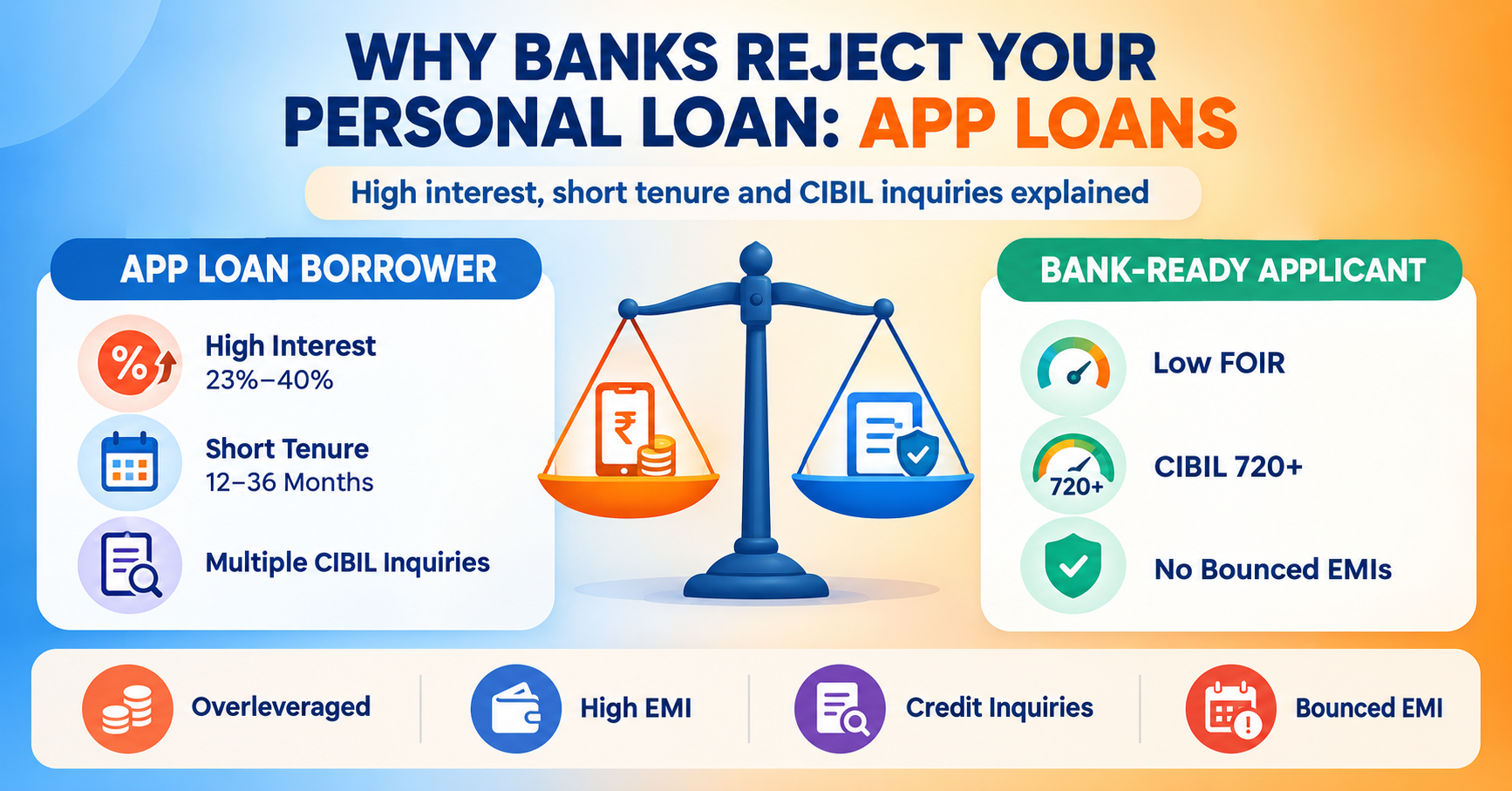
App-based instant loans (Navi, KreditBee, Fibe and similar). Money in minutes, yes. But the rates can run from 14% to 24% and higher, and this is the space where the bad actors hide. Use these only if you’ve checked the lender is registered with an RBI-regulated entity, and read the fees before you tap “accept.”
Purpose-specific alternatives. If the money is for your child’s education, an education loan is almost always cheaper than a personal loan. If it’s for a home, look at home loans with PMAY benefits rather than a personal loan. Match the loan to the purpose and you’ll usually pay less.
Treat these as starting rates for strong profiles — yours will depend on your CIBIL, income, and employer. Always check the live rate before applying.
| Lender | Type | Interest (p.a., from) | Notable for |
| HDFC Bank | Private bank | ~9.99% | Quick for existing customers |
| Kotak Mahindra | Private bank | ~9.98% | Competitive entry rate |
| SBI | Public bank | ~10% | Small concession for women applicants |
| ICICI Bank | Private bank | ~10.45% | Smooth digital process |
| Axis Bank | Private bank | ~10.99% | Pre-approved offers common |
| Bajaj Finance | NBFC | ~10%–13% | Fast approval, flexible eligibility |
| Tata Capital | NBFC | ~10.99% | Good for self-employed profiles |
Headline rates are easy to skim past, so let’s make ₹2,00,000 concrete. Say you borrow it for three years:
| Option | Rate (p.a.) | Monthly EMI | Total interest paid |
| Bank / NBFC personal loan | 12% | ₹6,643 | ₹39,143 |
| Gold loan | 9% | ₹6,360 | ₹28,958 |
| Instant app loan | 20% | ₹7,433 | ₹67,578 |
Same ₹2 lakh, same three years — but the gold loan saves you roughly ₹10,000 in interest over the personal loan, and the app loan costs you about ₹28,000 more than the gold loan. That gap is a full year’s school fees for many families. This is exactly why I keep nudging you toward a gold loan when it’s an option.
Now the part almost nobody points out. When money is tight, every instinct says pick the longest tenure for the smallest EMI. Watch what that actually does to the same ₹2 lakh at 12%:
The longer loan feels gentler — nearly ₹2,200 less every month. But you hand the lender almost ₹28,000 extra for that comfort. I won’t pretend the tension away: as the only earner in your house, protecting monthly cash flow genuinely matters, and a smaller EMI you can always pay beats a bigger one that breaks you in a bad month. So the honest rule isn’t “always go short.” It’s this — pick the shortest tenure whose EMI you could still pay during your worst month of the year, the month with the school fees and the festival and the surprise doctor’s visit all at once. That’s the EMI that’s actually safe.
Before you apply anywhere, walk yourself through this:
If an instant app is your only “yes,” treat that as a signal to slow down — not to speed up.
This is the situation that brings most single mothers to a page like this, so let’s not skip past it.
First, breathe. A low score is not a permanent verdict on you as a person — it’s a snapshot, and snapshots change. Here’s what actually helps:
Here’s something the “apply now” pages won’t tell you plainly: India does not have a central government scheme made exclusively for single mothers. I’d rather you hear that from me than waste a week chasing a scheme that doesn’t exist.
What does exist is real help, just organised by your specific situation rather than by the label “single mother.” Depending on your circumstances:
If you are a widow: The Indira Gandhi National Widow Pension Scheme provides a monthly pension — a modest central contribution of around ₹300, topped up by your state, so the actual amount varies by where you live and can be meaningfully higher. It’s aimed at widows below the poverty line. Several states also run their own widow or “women in distress” pensions. Delhi, for instance, runs a pension scheme covering widows as well as divorced, separated, destitute, and abandoned women — which reaches many single mothers the central scheme misses.
If you want to start or grow a small business: The Pradhan Mantri Mudra Yojana offers collateral-free loans up to ₹10 lakh for micro and small enterprises, and women make up the majority of its beneficiaries. Stand-Up India specifically encourages entrepreneurship among women. If your path forward is earning more rather than borrowing for expenses, these are worth a serious look.
If your need is housing: Pradhan Mantri Awas Yojana (PMAY) offers assistance toward buying or building a home.
If you have young children: Schemes like PMMVY (maternity benefit) and Sukanya Samriddhi Yojana (a high-interest savings account for a girl child) support the family even if they don’t put cash in your hand today.
To check what you actually qualify for, start at myscheme.gov.in and your state’s Women & Child Development department portal. Take your Aadhaar and bank passbook. The applications are bureaucratic and occasionally frustrating, but the money is real and, unlike a loan, you don’t pay it back.
This part matters as much as anything above, because the people targeting financially stretched single mothers are often the least trustworthy. Walk away immediately if you see any of these:
If something feels predatory, it almost certainly is. The legitimate options above will still be there tomorrow.
It’s harder without documented income, but not impossible. You can apply with a working co-applicant or guarantor, or by showing alternative income like rent or maintenance. A gold loan is often the most realistic route when income proof is thin.
Yes — it’s judged the same for everyone. A higher score means easier approval and a lower rate. But a weak score has workarounds: secured loans, a guarantor, and steadily rebuilding with small on-time repayments.
Not exclusively. Some lenders offer women-focused personal loans with minor concessions, and government help exists by category (widow pensions, women’s business loans), but there’s no single “single mother loan” product.
Often, yes — especially if it’s court-ordered and lands regularly in your bank account. Keep those payments flowing through your account rather than taking cash, so you have a clear record to show the lender.
If you have gold and a weak or thin credit profile, the gold loan is usually cheaper and easier to get. If you have a strong CIBIL and salary, an unsecured personal loan keeps your jewellery untouched. Match it to your situation, not to what an ad pushes.
Disclosure: This article is for general information and is not financial advice. Interest rates, scheme amounts, and eligibility change frequently and vary by lender and state — verify the latest details with the lender or the relevant government portal before applying.