 91-9711165183


You fund the event before the client funds you. Venue deposit, caterer advance, decor, AV, entertainment. The money goes out weeks before the balance comes in, and in peak season you’re floating three of these at once. That timing gap, not a lack of profit, is why most event planners look for a loan. So the real question isn’t just “what’s the cheapest rate”, it’s actually “which kind of borrowing matches a gap that opens and closes in 30 to 60 days.” Get that wrong and you’ll pay years of interest on a problem that lasts two months. This page is written for working event planners and shows how to borrow against your booking pipeline without eating the margin you worked to earn.
Every event runs the same money cycle. The client pays a booking advance, you immediately commit far more to vendors who want deposits up front, you carry the event-day costs, and the balance lands only after the event. Sometimes 30 to 60 days later for corporate clients. Stack a few events in the same quarter and the deposits pile up while the receipts lag.
That’s a working-capital gap, and it has two features worth naming. It’s short and it closes when your client settles. And it’s recurring which means it reopens with the next event. Those two facts should drive what you borrow and for how long. A loan that ignores them costs you more than the gap ever did.
This is the decision that protects your money, and it’s specific to how event planning works.
A personal loan gives you a lump sum, fast and unsecured, repaid over a fixed tenure. It fits a one-off need which is funding a single large event buildout, or a quiet-season cushion. And it’s the quickest to arrange. The catch: you pay interest on the whole amount for the whole tenure, even after the client settles.
An overdraft or working-capital line lets you draw only what you need, when you need it, and pay interest only on what you’ve used. For a recurring 30–60-day vendor-advance gap, this is usually the smarter structure; you top it up when the client pays and draw again for the next event.
A business loan suits larger, planned investment, your own inventory of decor and AV, a bigger office, or permanent hires, and is generally cheaper at larger tickets, but leans on GST, vintage, and financials.
The honest rule: don’t take a five-year personal loan to cover a two-month gap. If your need is the timing cycle, price an overdraft against a personal loan before you commit. If your need is one big push or a personal expense, the personal loan’s speed wins.
Here’s the calculation most planners skip. When you borrow to float an event, the interest is a cost of that event, and it comes straight out of your margin.
Say you draw ₹3 lakh to cover vendor advances and recover it 60 days later when the client pays the balance. At roughly 16% per annum, that’s about ₹7,900 in interest, before any processing fee. If your profit on the event is ₹40,000, you’ve just handed back close to a fifth of it to fund the gap.
The fix isn’t to avoid borrowing, it’s to price it in. Calculate the borrowing cost per event, build it into your quote or your advance terms, and negotiate shorter client-payment timelines where you can. A planner who knows their cost of capital quotes profitably; one who doesn’t watch financing quietly erodes the margin on every booking.
Published starting rates. Self-employed rates usually sit above a lender’s salaried floor; your actual offer depends on income consistency, ITR, vintage, and credit score, and is subject to eligibility.
| Lender | Rate (starting from) | Amount / tenure | Income proof & eligibility | Notes |
|---|---|---|---|---|
| HDFC Bank | ~9.99% p.a. onwards | Up to ~₹40L / 12–60 months | 2 yrs ITR, P&L, 6-month statement | Lowest rates; needs a clean, established file |
| ICICI Bank | ~11.25%–14% (self-employed) | Up to ~₹50L / up to 72 months | 2 yrs ITR + computation, 6-month statement; 3+ yrs vintage | 0% foreclosure after 24 months, good if a strong season lets you prepay |
| Axis Bank | ~9.99% p.a. onwards | Up to ₹40L / 12–60 months | 2 yrs ITR, 6-month statement | Foreclosure up to 2%; processing ~1.5–2% |
| Bajaj Finserv (NBFC) | ~14% p.a. onwards | Up to ₹80L / up to 96 months | Lighter file: bank statements, KYC; credit 685+ | Large/long; flexi-drawdown options can suit recurring gaps (verify terms) |
| Tata Capital (NBFC) | ~10.99% p.a. onwards | Up to ₹35L / up to 72 months | Latest ITR + 2 yrs financials; credit 725+ | Mid-tier rate; moderate documentation |
Also worth comparing: overdraft / working-capital lines for the recurring vendor-advance gap, and seasonal/festival personal loans some NBFCs run for peak-season spikes. Compiled from lenders’ published pages and rate-aggregator listings, June 2026; sources at the end. Rates and terms are subject to change, please confirm directly with the lender.
The usual pattern holds: the cleaner your file, the cheaper your money. With two to three years of ITR and steady banking, HDFC, ICICI, or Axis price the sharpest. ICICI’s 0% foreclosure after 24 months is genuinely useful here, a strong wedding or conference season can let you clear the loan early without penalty.
But for a planner, the rate is only half the decision. A lump-sum personal loan from any of these is the wrong shape for a pure 30–60-day vendor gap; you’d carry interest long after the client pays. If your need is that recurring cycle, weigh Bajaj’s flexi-drawdown structure or a dedicated overdraft, where you pay only for what you use, against the fixed-tenure options. Use the lump-sum personal loan for one-off buildouts and off-season runway; use a revolving line for the timing gap that comes back every season.
Eligibility generally rests on age (commonly 21–65 at maturity), business vintage of 1–3 years, a minimum income or turnover that varies by lender, and a credit score typically 700+ (725+ for the sharpest bank rates; some NBFCs accept 685+). Thresholds differ by lender and are subject to eligibility.
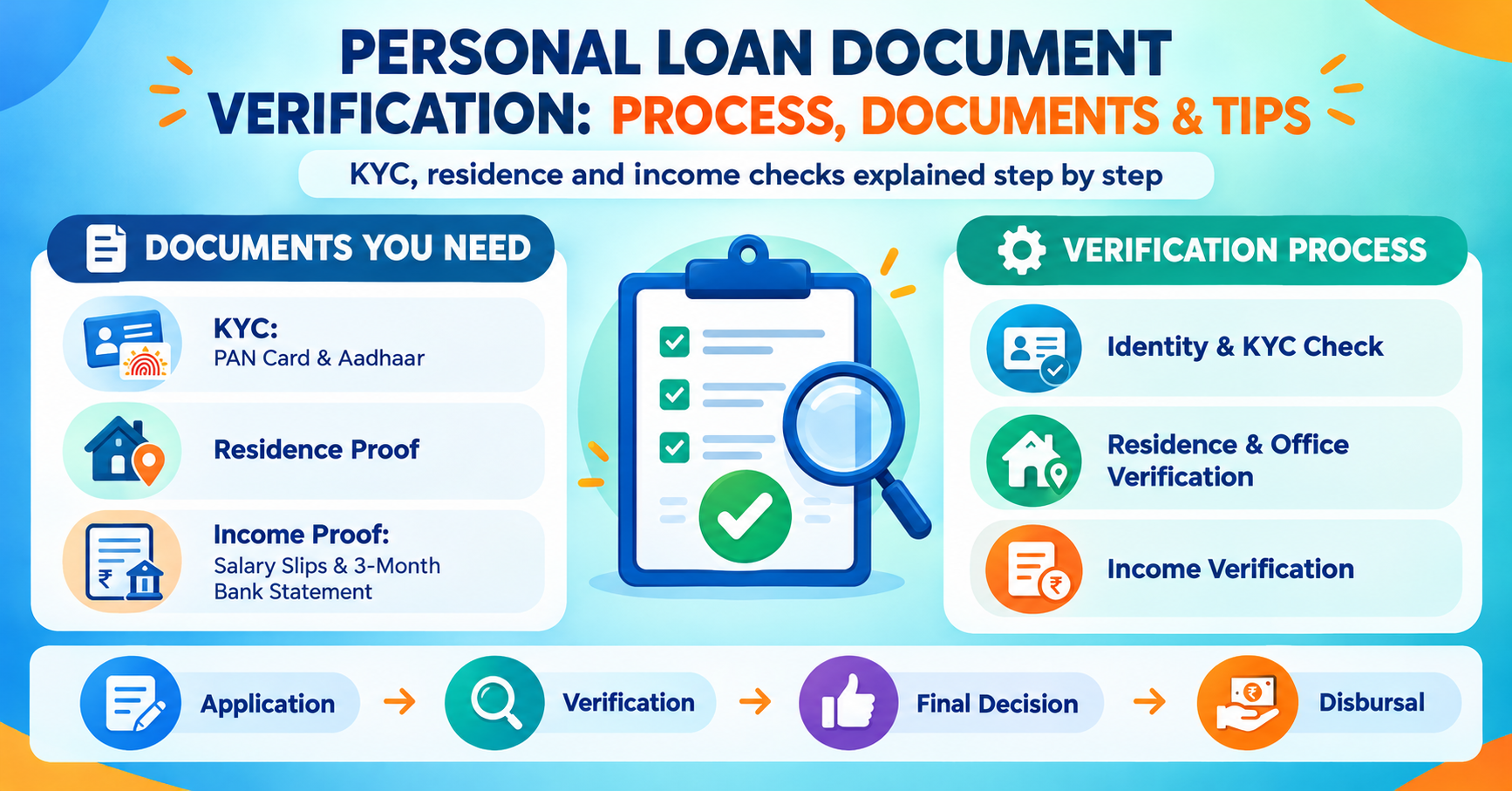
Keep these ready:
Yes. A personal loan is unsecured with no end-use restriction, so it’s commonly used to fund vendor deposits before a client’s balance arrives. For a recurring vendor-advance gap, also compare an overdraft or working-capital line, which can be cheaper because you pay interest only on what you draw.
For a one-off need or personal expense, a personal loan is faster and simpler. For the recurring 30–60-day gap between paying vendors and getting paid, a working-capital line or overdraft usually fits better and costs less. Match the instrument to how long the gap actually lasts.
Lenders assess self-employed planners on 2–3 years of ITR and 6–12 months of bank statements rather than a monthly salary. Filing returns and banking every payment turns peak-and-quiet income into a stable annual figure they can underwrite.
The amount scales with your assessed income, vintage, and credit score; banks commonly up to ₹40–50 lakh and NBFCs higher, all subject to eligibility and your documentation.
Yes. Short-tenure personal loans, overdrafts, and invoice/working-capital facilities are all built for this. Keep the tenure close to your expected client-payment date so you’re not paying interest long after the money lands.
An event planner’s best option depends on the shape of the need, a lump sum, a revolving line, or a short bridge, and lenders price each very differently. yourloanadvisors.com brings bank, NBFC, and working-capital options into one place so you can match your booking pipeline and documents to the lenders most likely to approve you, and compare on total cost rather than the headline rate.
One clear next step: check your eligibility and compare offers on yourloanadvisors.com, then talk to an advisor about whether a personal loan, an overdraft, or a business line fits your event calendar and your cash-flow cycle.
Interest rates, fees, foreclosure charges, loan amounts, and eligibility criteria are subject to change at each lender’s discretion and were accurate to the best of available information as of June 2026. This page is information, not financial advice. Verify all current terms directly with the lender before making any borrowing decision.